Archive for the ‘Burning wood’ Category

First attempt at Biochar

1 December 2009

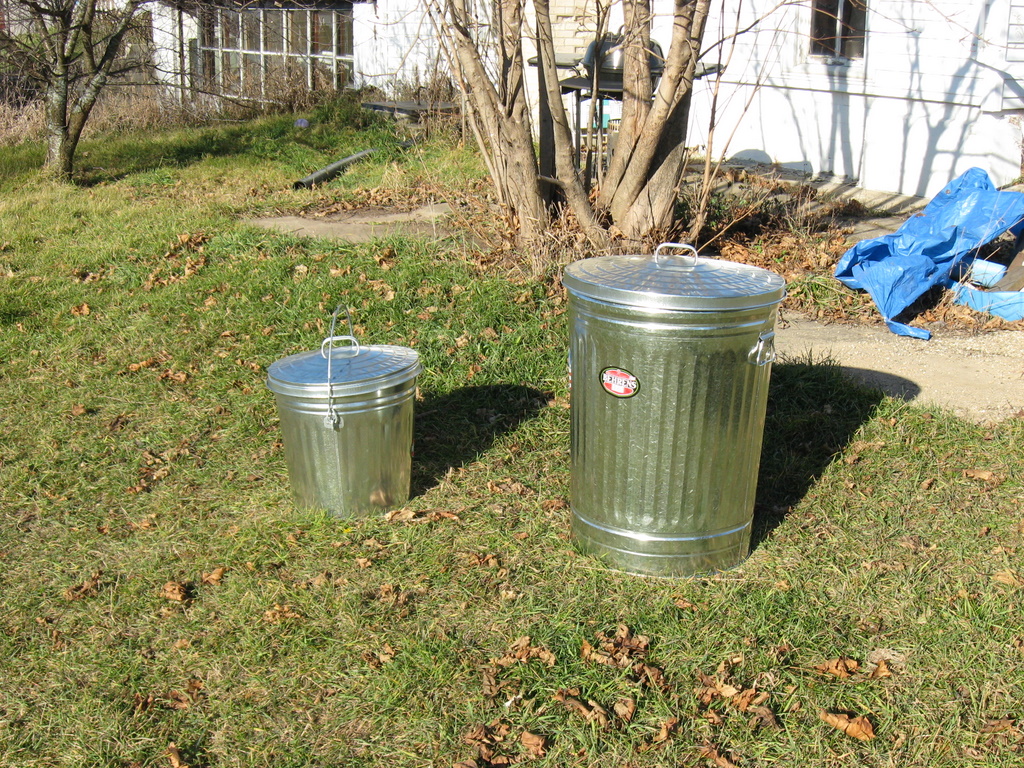
I bought new 10-gallon and 30-gallon galvanized metal trash cans.

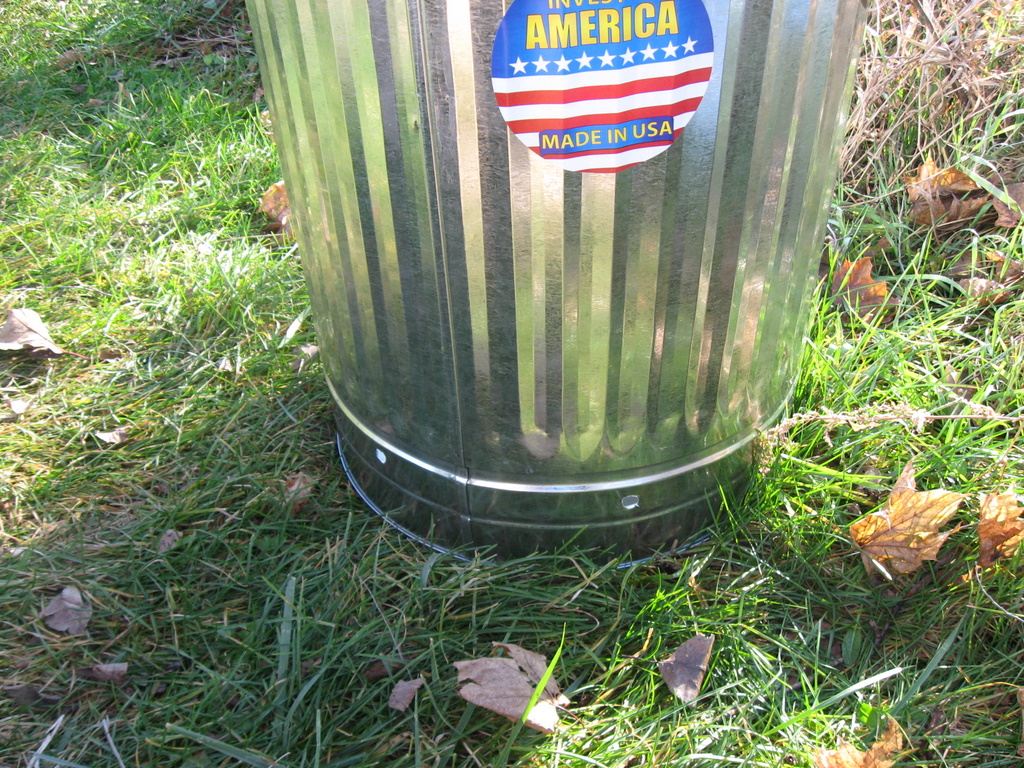
I put a concrete block in the bottom of the big one to raise the smaller one about 4″. I drilled 8 1/2″ holes around the bottom of the large one.

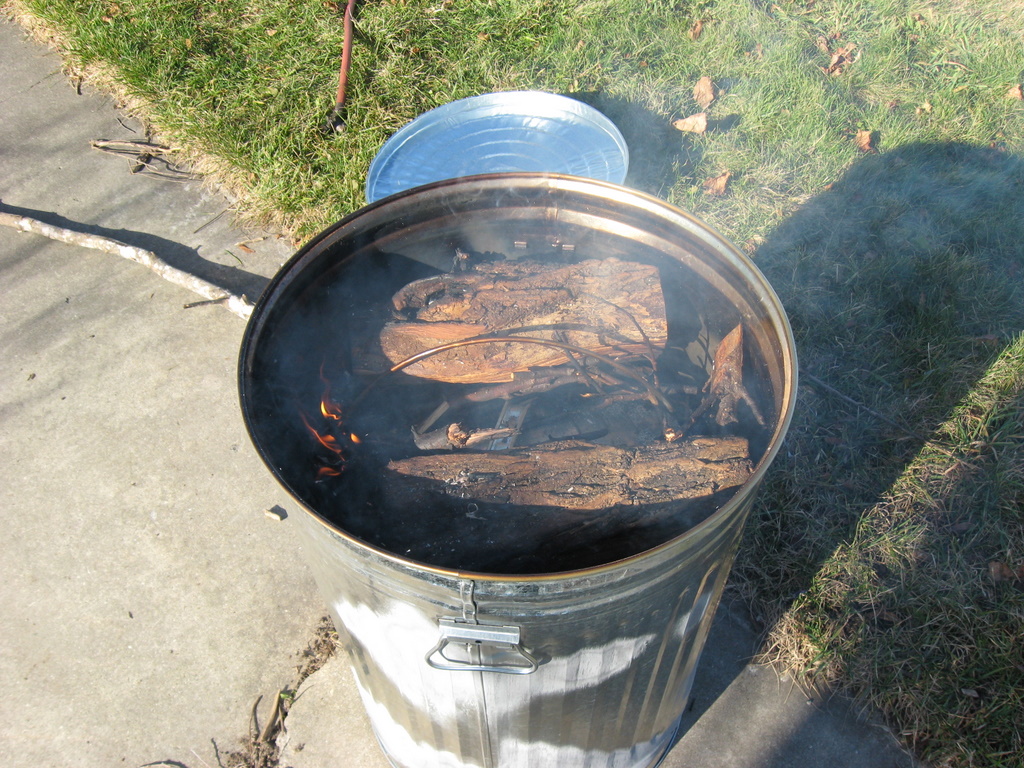
I put paper in the bottom, then filled the gap between the two cans with small sticks. The gap was only about 2″ all the way around, so not much room for the wood. I jammed in as much as I could, then put a couple of pieces of oak on the top. Next time, I think I should raise the small one another 6″ or so — that would give me more room to put larger pieces of wood underneath it, and also, since the sides of both slope outward as they come up, it would increase the size of the gap between them and make it easier to pack with wood. I’d like to get some larger pieces of oak in the bottom.

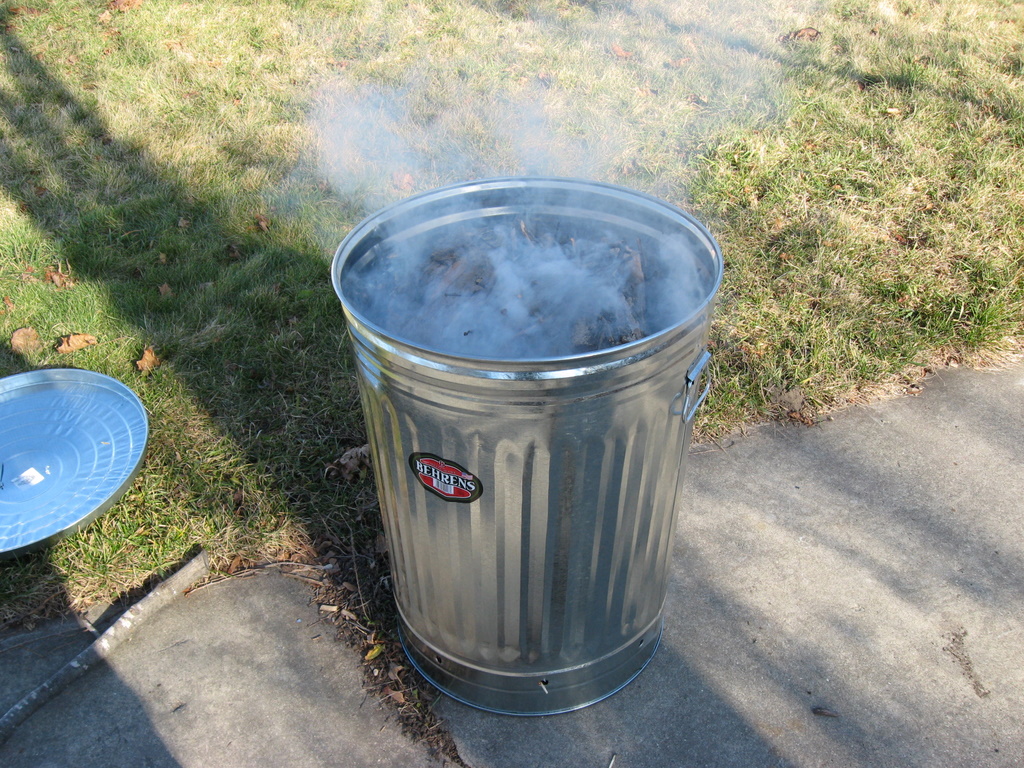
I packed the little one with small-diameter wood, mostly elm, put the top on it, and lit the paper through the holes in the bottom of the large can around 11am. I didn’t make any holes in the smaller can, trusting that gases would escape around the lid without building up enough pressure to cause an explosion.

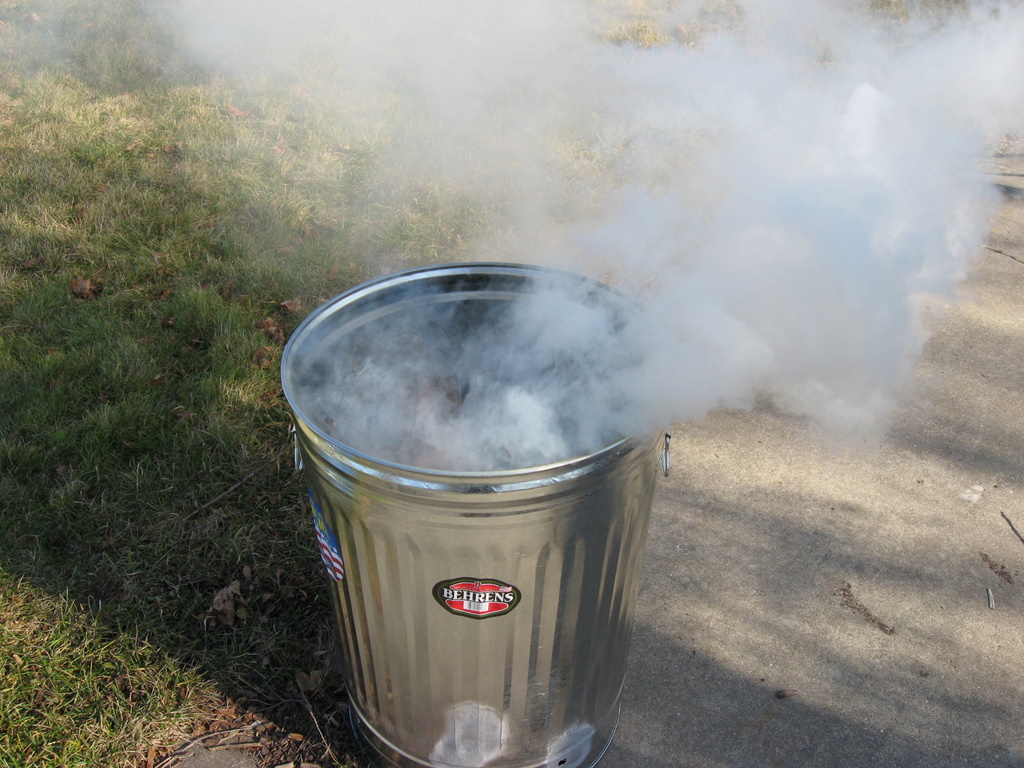
It took a while to get burning, as the wood was right off our brush pile and not dry. I added a couple double handfuls of charcoal briquettes to the fire after maybe half an hour (of dubious merit with regards to carbon footprint, I know, but I wanted it to work). A lot of the wood had burned up after about 45 minutes, and at that point I added more 1/2″ to 1″ pieces. I put the top on it after about an hour.

I doubted the inner can got hot enough to make any char. I think raising the inner barrel and putting some oak underneath it would help quite a bit, and I’m not giving up on the system.

Four hours later, I took out the inner can and, sure enough, the wood was blackened, and some of it seemed to have become charcoal, but most not. I had put some old tomato vines on the top of the wood, and they seemed to be completely carbonized. Just not enough heat for the wood.

Later, I tried again, using the same wood in the inner can but adding more tomato vines. I raised the inner can another 5 inches with a concrete block, and made the fire with smallish pieces of oak. It got very hot, and I put the top on it after maybe 30 minutes because the steel of the outer can was glowing red and I didn’t want to burn a hole in it. There were some coals in the bottom, so it should have stayed hot for quite a while after I put the top on. I haven’t looked at the final result yet, but I’m much more optimistic this time.

Update: The second burn didn’t fully achieve the needed combination of temperature and time to turn the wood to charcoal. Only about half of it was converted to char.
Heating +

1 December 2009

STILL haven’t turned on the furnace — just amazing. It’s not only because we’re putting up with a chillier house or that we’re being especially diligent, it’s also that the weather has been exceptionally mild. I’m still harvesting collards and kale from the garden, without doing anything to protect them. Kinda weird, but hard to complain….

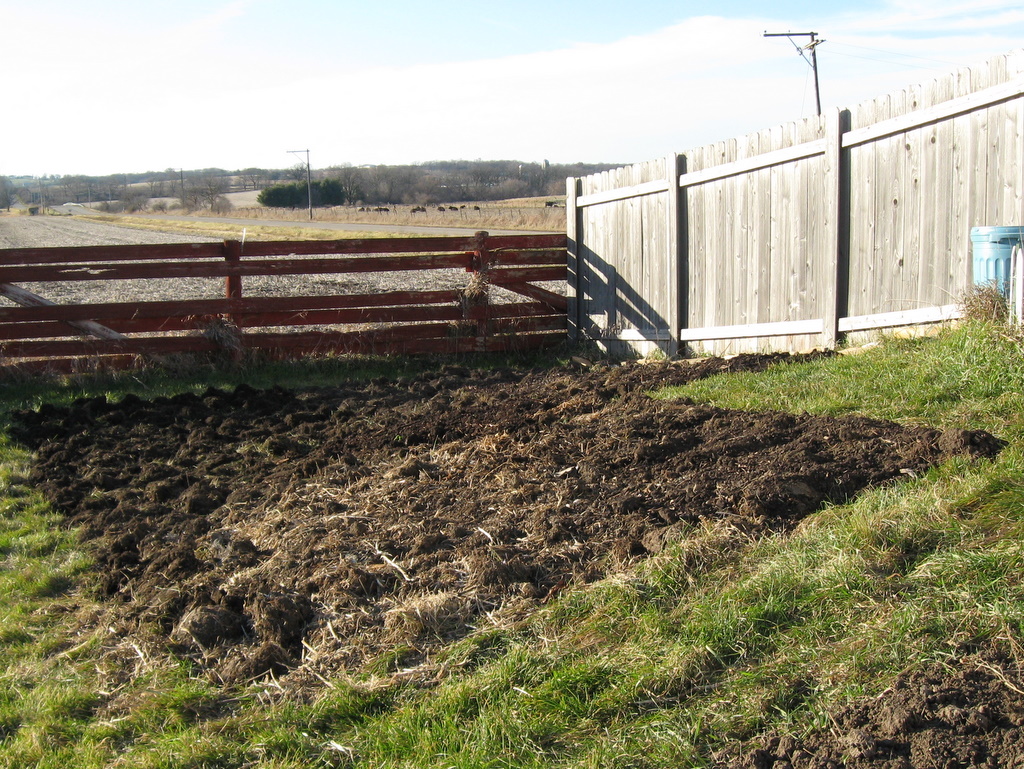
I took a vacation day today since it was supposed to be a nice day and I’d have a chance to work outside. So I did the biochar thing (see above) and also finished connecting the two West beds into one nice big garden space by digging up sod. Corn and tomatoes will go there next year.

Also put 10 gallons of coffee grounds on top of part of the freshly-dug sod there, then a wheelbarrow of leaf compost on top of that. That’s a good way to add coffee grounds without having to dig a trench (which is hard to do where I’ve just turned over the sod). Too bad I’m almost out of leaf compost and the county composting site is closed until April. Maybe in the Spring I’ll hire someone with a dump truck to get the compost for me — sure would save a lot of time and effort.

Turning over sod for 2 or 3 hours is hard work, and I’m fantasizing about a rototiller. I’ll need something if we get much more land under cultivation. It’s hard for me to imagine maintaining a garden even one acre in size without power tools.

Also put 10 gallons of stabilized gasoline into storage today — NOT in the house or garage. I plan to change it once a year.

More Gardening

22 November 2009

The warm November weather continues, with the high today around 60°F. I dug up another couple of rows of sod in the West beds, and am about to connect two of them. Will plant tomatoes and corn there next year, so I want to make the soil as rich as possible. I’ll do some sheet composting with coffee grounds and leaf compost and straw until it snows. Since corn and tomatoes go in pretty late, a lot of decomposition will happen in the Spring after it warms up but before planting. As I’ve mentioned before, the soil on the slope up to the house gets pretty shallow and gravelly, so it needs some help.

Dug another 5 gallons of coffee grounds into the West bed just outside the back door, so that one is done. Also moved a couple of wheelbarrows of leaf compost to the West beds and one wheelbarrow to the garden.

We still haven’t turned on the furnace and have been using the woodstove every day, so we’re making lots of wood ashes that I’m dumping on the garden beds. I’m making charcoal whenever I can, because of its beneficial effects on garden soil. I do that by shutting down the stove as much as possible and letting it go out before all the wood burns completely. It’s not always convenient to do that, but I do it when I can. I started using the old painted-on-the-inside cast iron dutch oven to carry the ashes outside, so I can do it even if there are still some live coals, which I then bury in the soil to extinguish them and make charcoal.

Reloaded the back porch with firewood. Broke up a 5-gallon bucket full of apple sticks for kindling.

Thermal Mass

4 October 2009

Last year, I put a 3-gallon pail of water a couple inches from the side of the woodstove to act as thermal mass and to humidify the air. It didn’t work that well. It’s a galvanized steel pail, so the outside is very shiny and it reflected most of the heat radiating from the side of the stove, not to mention the cooling effect of the water evaporating from the surface. The water in the pail wasn’t stone cold, but it wasn’t as warm as tepid either.

So last Spring, after heating season, I painted the outside of the pail flat black (with high-temp paint). And this year, the water in there is quite warm when the stove is running. It should work much better for both of the above-stated purposes, as well as backup warm water for washing if ever needed. It’s amazing to me that a coat of paint can make that much difference.

The heating season has begun

29 September 2009

First fire of the season in the woodstove today.

Menards, one of our local home-improvement stores, is advertising a woodstove for $195, this one. I like the design of it, where you put logs in end-first, because it will take logs up to 27″ long, which would mean quite a bit less cutting of wood compared to the 16″ limit on our Intrepid II. AND, for $195, I could buy 5 or 6 of them for what we paid for ours.

But here’s what that stove’s manufacturer says about the stove meeting EPA requirements: “Vogelzang stoves meet EPA requirements for “exempt” wood/coal burning appliances (stoves).” Which means that it’s exempt from the EPA requirements and so meets no standards whatsoever. Weird.

It turns out that the EPA has these odd standards for which stoves require certification and which don’t. The stove for sale at my local Menards should be required to meet the EPA certification requirements. People are going to buy that stove and put it in their house to heat with, in other words, they’re going to use it just like I use mine. But because the EPA leaves these loopholes, it doesn’t have to meet any standards at all: http://www.epa.gov/compliance/resources/publications/monitoring/caa/woodstoves/exemptwood.pdf

I guess I should be happy about limits to government regulation, but it’s still pretty odd….