Archive for the ‘Gardening’ Category

Mini-Renovation

1 May 2021

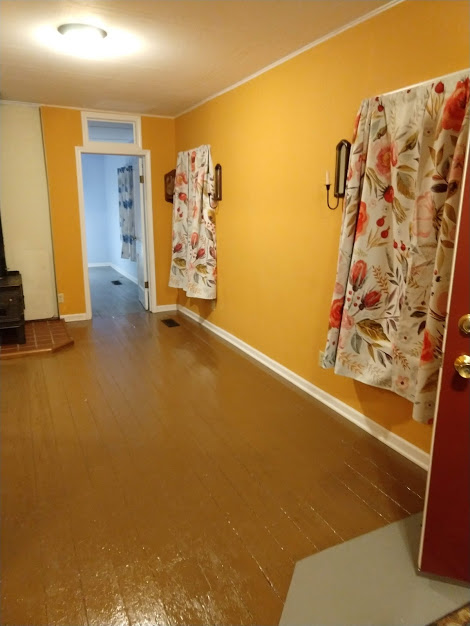
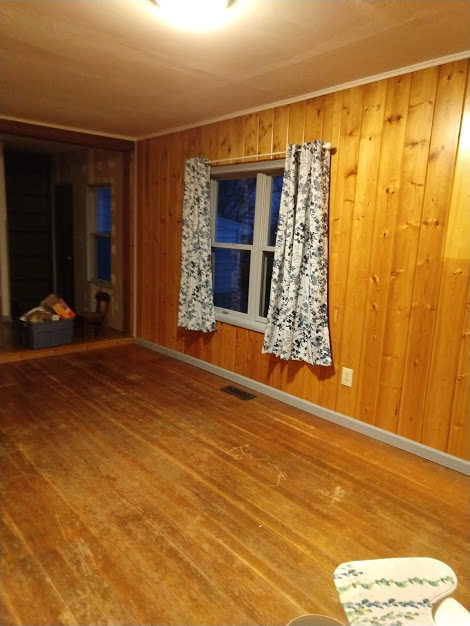
I spent about six weeks working seven days a week to get our old house ready for some new tenants. I did mostly cleaning, finish carpentry, and painting. I didn’t get it all done, of course, since that house will never be done, but made a ton of progress. Here are a few pics.

Even though this house is old and requires a lot of ongoing maintenance, I love it. After living in it for 20+ years and raising our kids there, it feels like home to me. And the yard has lots of space for gardening and chickens, which our current home doesn’t.

I brought up the idea of moving back after the kids are out of the nest (five years at most), and the wife was not opposed to it. We’ll see.

The kitchen with freshly-painted floor.
Freshly-painted kitchen cabinets and backsplash. The backsplash is made out of cheap vinyl tiles.
Basketball schedule uncovered during renovation.
Our Vogelzang Durango and wood box (wood box later removed). Love this stove. We’ve told the tenants not to use it because we’re not insured for it, and there won’t be much occasion to use it before October. If we’re still renting at that time, we’ll have to remove the stove as well, and maybe replace it with a fake electric stove.
Freshly painted floor in front room.
From the dining room to the kitchen.
Living Room
Dining room

Why All the Corn?

17 September 2020

Why did I grow all of this corn for cornmeal? Why would I do such a thing?

It’s just for fun, of course. I just like growing corn. It’s certainly not because I expect there to be a second wave of the pandemic that will bring down the supply chains for good, and that we’ll have only the food we have on hand to get us through the winter. And even if such a thing were to happen, I have total faith in my government’s willingness and ability to feed me and my family in such an emergency. Don’t you?

Grass and Clover

6 July 2019

I’m continuing to bag grass clippings from the back yard and put them in between rows/hills in the garden. I should have been doing this for years, but didn’t have a bagger on the old gas mower (drowned in the flood). Our new Ego battery-powered mower (which I love) came with a bagger.

The back yard needs nutrients removed from it because of the chicken poop that’s constantly being spread. The front yard has much less chicken activity, so we mulch the clippings up there to keep the lawn healthy.

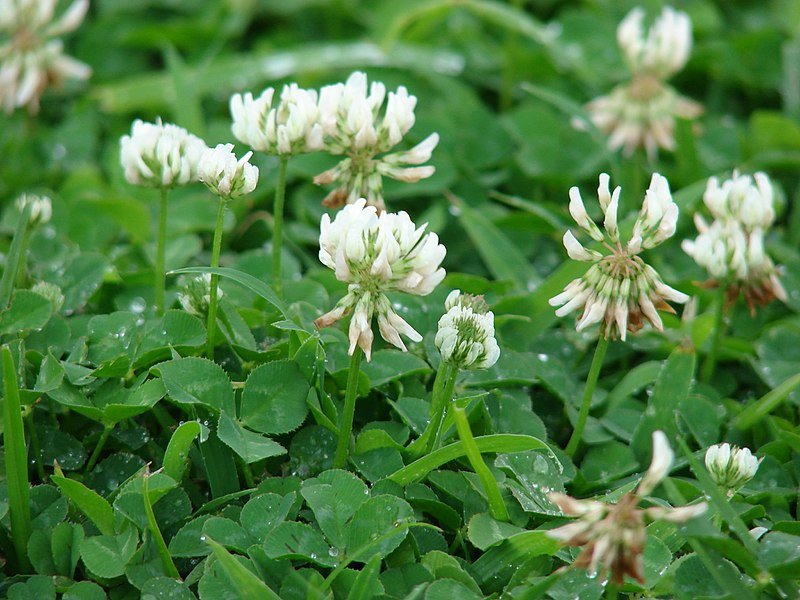
We have a lot of white clover in the lawn, which, in my humble opinion, is a good thing. It’s not grass, so it’s not desirable from your typical lawn nazi’s perspective, but monocultures are abnormal and can only be maintained with a lot of work and/or herbicides. And clover is a legume, so should be fixing N and improving the soil. You never know when you’ll have to dig up your lawn and plant something for people to eat.

I seem to recall that I had a bag of white clover seed and broadcast it in the lawn at some point…but I don’t remember any details beyond that. Anyway, that was years ago, and it’s well-established now. I’ve read that white clover plants only live a few years, so you have to be sure you let it go to seed to maintain it in your lawn, which means not mowing it until it’s done flowering and setting seed. A higher mowing height also helps with this.

There was an area of the lawn that had a wood pile on it last summer that killed almost everything. It was still very bare a couple of months ago. Now, it’s got a good stand of clover on it (plus various other weeds and grasses), so that clover clearly got seeded from somewhere.

Anyway, I love our lawn. It looks great, and is a healthy and diverse ecosystem containing several kinds of edible plants (including clover 🍀). And, unlike many other pesticide- and herbicide-laced local lawns I could name, it could be converted into a garden virtually overnight.

Charcoal

30 June 2019

I’ve purchased 80 lbs of lump charcoal and plan to bury it or rototill it into the garden. This is my method of micro-sequestration of carbon. If everyone with access to a patch of land did this, it would make a difference.

Be that as it may, I’m also doing it to enhance the fertility of my soil. I’ve been doing this on a very small scale for years, limited by my intentional and incidental production of charcoal. I spread ashes from the wood stove in the garden (for their potassium content and to limit soil acidity) . There’s always some charcoal mixed in with the ashes, and if you clean out the ashes after every fire, you’ll often get a decent amount of charcoal. (If you don’t clean out the ashes before starting the next fire, what charcoal is present will be consumed.)

And, when I’m feeling ambitious, I make charcoal in a roasting pan in the woodstove. Between cutting up the wood and fitting it in the roasting pan and building the fire the right way, it’s a very hands-on process, and I don’t always have the time or inclination to do it.

So now I have 80 lbs of lump charcoal. Before whatever weed-suppression tillage I do, I will spread charcoal in the areas to be tilled. I will also create pockets of fertility by digging a hole and dumping in charcoal, kitchen scraps, and chicken manure.

I don’t plan to reduce the size of the lumps of charcoal. It’s too much work and unnecessary for long-term benefit, which is always my focus. Tillage and frost will, over time, do an adequate job of reducing the size of the lumps. And breaking it up into smaller pieces is time- and labor-consuming, as well as potentially hazardous to my health because of any dust produced.

I would do this even if I knew I were going to be dead in a year. Improving a patch of ground, making it more able to produce food for humans, is something that has a lot of meaning and significance to me. The long-lasting effects of burying charcoal in the garden mesh with that perfectly.

Buckwheat

29 June 2019

This is a picture of the buckwheat I planted on 6/22/2019:

buckwheat

I broadcast the seed at what I thought was a little heavier than normal rate; it turns out it was 4x what Johnny’s recommends. Another lesson learned.

I want to learn how to grow and harvest grain for people to eat. I was not successful last time I tried to grow buckwheat; I harvested too soon and there was no meat inside the husks of grain. This time around, I will let the plants die and go brown before I harvest.

If I fail to get grain again, I will till it in to increase the organic matter of the soil, and hopefully learn something. It’s not as if our surviving next winter depends on a successful grain harvest. Yet.